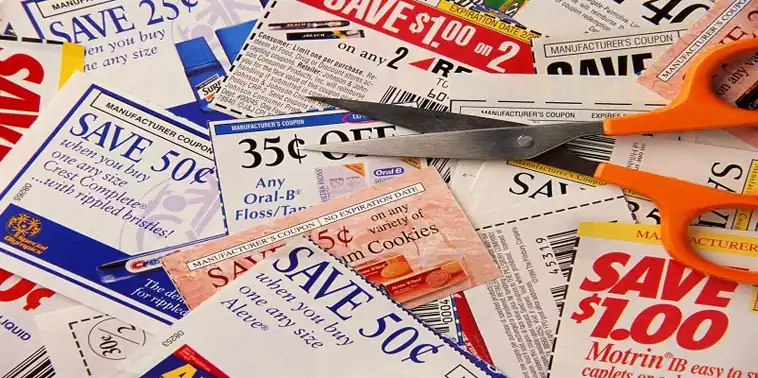
Most people believe saving money online is simple: find a coupon code, apply it at checkout, and enjoy a small discount. In reality, experienced bargain hunters know that the biggest savings rarely come from a single promotion. The real secret is coupon stacking - the practice of combining multiple discounts, cashback offers, loyalty rewards, credit card promotions, referral bonuses, and seasonal deals into one purchase. In 2026, coupon stacking remains one of the most effective ways to reduce shopping costs across fashion, electronics, travel bookings, food delivery, beauty products, and everyday essentials.
Whether you shop through Amazon, Flipkart, Myntra, AJIO, Zomato, or Swiggy, understanding how different discount layers work can dramatically increase your savings throughout the year. A shopper who only uses a single coupon might save 10%, while someone who combines multiple discount mechanisms can often reduce the final bill by 30%, 40%, or even more.
This guide explains how coupon stacking works, which discount combinations are legal and supported by retailers, and how you can multiply your savings in 2026 without spending extra time searching endlessly for deals.
- What coupon stacking means and why it works
- The five discount layers smart shoppers combine
- How cashback and loyalty rewards increase savings
- The mistakes that prevent successful coupon stacking
- Real examples showing how experienced shoppers save more
What Is Coupon Stacking?
Coupon stacking is the process of combining multiple savings opportunities into a single purchase. Many retailers limit customers to one promotional code per transaction, but that does not mean you are restricted to one discount. Modern e-commerce stores offer several discount mechanisms that often work independently from one another.
For example, imagine you purchase a pair of shoes from Myntra. The shoes may already be on sale at 30% off. You then apply a coupon code for an additional 10% discount. Next, you pay using a participating bank card offering 10% instant savings. Finally, you earn cashback through a rewards platform and receive loyalty points from the retailer. Although only one coupon code was used, four different discount layers were stacked together.
The result is significantly greater savings than relying on a single promotion. Understanding how these discount layers interact is the foundation of successful coupon stacking.
The Five Layers of Savings Every Smart Shopper Uses
The first layer is the retailer discount. This includes sale pricing during events such as End of Reason Sale, Big Billion Days, Prime Day, Black Friday, Cyber Monday, Republic Day Sales, Independence Day promotions, and festive events. These discounts are applied automatically and form the base layer of savings.
The second layer is the coupon code. Coupon codes may provide percentage discounts, flat savings, free shipping, bonus rewards, or exclusive member pricing. Before completing any purchase, experienced shoppers always search for valid promotional codes from trusted coupon platforms.
The third layer is payment discounts. Banks and payment providers frequently partner with retailers to provide additional savings. Credit cards, debit cards, UPI promotions, wallets, and buy-now-pay-later services often unlock instant discounts that can be combined with existing sale prices.
The fourth layer is cashback. Cashback platforms reward shoppers with a percentage of their purchase amount after completing transactions through tracked links. While cashback is not visible during checkout, it effectively lowers the final purchase cost.
The fifth layer is loyalty rewards. Retailers increasingly reward customers with points, coins, credits, and membership benefits that can be redeemed later. Although these rewards are earned after the purchase, they create additional long-term savings and increase the value of every transaction.
The biggest savings rarely come from a single coupon code. Combining sale pricing, coupons, bank discounts, cashback, and loyalty rewards typically produces the highest overall discount.
Why Coupon Stacking Works Better Than Chasing One Big Discount
Many shoppers spend hours looking for a mythical 50% or 70% coupon that rarely exists. Meanwhile, experienced savers focus on combining smaller discounts. Multiple moderate discounts often outperform a single large coupon because retailers intentionally separate promotions into different categories.
Retailers benefit because shoppers feel encouraged to complete purchases. Customers benefit because multiple promotions work together. This creates a situation where both parties gain value without requiring unrealistic discount percentages.
For example, a product originally priced at ₹5,000 might receive a sale reduction to ₹4,000. A coupon then reduces the amount to ₹3,600. A bank offer lowers it further to ₹3,240. Cashback returns another ₹160. The final effective cost falls close to ₹3,000 despite never using an extreme coupon code.
That is why professional bargain hunters focus on stacking opportunities rather than chasing a single discount source.
Example of Coupon Stacking in Action
| Savings Layer | Discount | Price Remaining |
|---|---|---|
| Original Product Price | - | ₹5,000 |
| Sale Discount | 20% | ₹4,000 |
| Coupon Code | 10% | ₹3,600 |
| Bank Offer | 10% | ₹3,240 |
| Cashback | 5% | ₹3,078 Effective Cost |
| Loyalty Rewards | Future Savings | Additional Value Earned |
How Cashback Multiplies Every Discount You Already Receive
One of the most overlooked components of coupon stacking is cashback. Many shoppers stop after applying a coupon code because they assume the savings process is complete. In reality, cashback often represents the easiest additional layer to add. Unlike coupon codes, cashback is usually processed separately and therefore does not interfere with other discounts already applied during checkout.
Cashback platforms work by earning a commission from retailers and sharing part of that commission with shoppers. When you click through a cashback partner before making a purchase, the retailer tracks the sale and rewards the platform. A portion of that reward is then returned to you as cashback. This means you can often use a sale price, a coupon code, a bank offer, and still qualify for cashback on the final transaction.
For example, imagine purchasing electronics worth ₹20,000 during a festive sale. A retailer may reduce the product price by 15%, while a coupon provides another 10% discount. If you then qualify for 5% cashback, you effectively save hundreds of rupees beyond what most customers see displayed at checkout. Over a full year of shopping, these cashback earnings can accumulate into thousands of rupees.
The key is consistency. Rather than viewing cashback as a special bonus, successful shoppers treat it as a standard part of every online purchase. Over time, this habit becomes one of the most powerful money-saving strategies available.
Cashback is often calculated after all other discounts have been applied, allowing it to function as an additional savings layer rather than a replacement for coupon codes.

Bank Cards, UPI Offers and Payment Discounts
Payment-based promotions have become one of the largest sources of savings in online shopping. Major retailers regularly collaborate with banks and payment providers to encourage specific payment methods. During major sale events, it is common to see instant discounts ranging from 5% to 15% simply for using an eligible credit card, debit card, UPI application, or digital wallet.
These promotions are particularly valuable because they frequently stack with sale pricing and coupon codes. A customer shopping during a festival sale may receive an automatic discount on the product, apply a promotional coupon, and then unlock an additional instant bank discount during payment. Each layer compounds the total savings.
Payment discounts are especially common on platforms such as Amazon, Flipkart, Myntra, and AJIO. During high-traffic sale periods, participating banks often rotate, creating opportunities for shoppers who hold multiple payment methods.
Experienced bargain hunters pay close attention to payment eligibility because the right card can easily save more money than the coupon code itself. Before completing any purchase, it is worth reviewing available payment offers and comparing them against alternative methods.
The Power of Loyalty Rewards and Membership Benefits
Loyalty programmes represent the long-term side of coupon stacking. Unlike immediate discounts, loyalty rewards generate value over multiple purchases. Retailers encourage repeat business by awarding points, coins, store credits, or exclusive membership perks whenever customers shop regularly.
Many shoppers underestimate these programmes because the rewards are not immediately visible. However, when accumulated over time, loyalty points can significantly reduce future spending. A shopper who consistently earns rewards throughout the year may effectively receive free products, exclusive discounts, free shipping, priority access to sales, and members-only pricing.
Membership programmes have become increasingly sophisticated in 2026. Retailers now combine shopping benefits with entertainment perks, early sale access, delivery upgrades, and personalised promotions. These benefits increase the overall value of every transaction and create additional stacking opportunities beyond standard coupon codes.
The smartest shoppers view loyalty rewards as another discount layer rather than a separate programme. By earning points on discounted purchases, they create a cycle where every order contributes to future savings.
Travel Booking Coupon Stacking Strategies
Coupon stacking is not limited to retail shopping. Travel bookings often present some of the most lucrative opportunities for combining discounts. Flight tickets, hotel reservations, holiday packages, airport transfers, and travel insurance frequently support multiple promotional layers.
A traveller booking a hotel may begin with a discounted promotional rate. A coupon code then reduces the booking cost further. Payment through a participating bank card unlocks an instant discount, while loyalty rewards are earned for future bookings. In some cases, cashback opportunities provide yet another savings layer after the transaction is complete.
Because travel expenses are typically larger than everyday shopping purchases, even small percentage savings can translate into significant amounts. A family holiday costing ₹50,000 can produce thousands of rupees in savings when multiple discounts are combined effectively.
The best approach is to compare available promotions before booking. Taking a few extra minutes to review coupon codes, bank offers, and loyalty benefits can produce substantial reductions in travel costs without sacrificing quality or convenience.

Food Delivery and Grocery Savings in 2026
Food delivery platforms have become a perfect environment for coupon stacking. Competition among services means customers are constantly presented with promotional opportunities. Discounts may include restaurant-funded offers, platform coupons, membership benefits, free delivery incentives, cashback rewards, and payment-specific promotions.
Consider a customer ordering dinner through Zomato or Swiggy. The restaurant might provide a discount on selected menu items. A platform-wide coupon further reduces the order value. A premium membership removes delivery charges, while a payment partner contributes additional cashback. Individually, each discount appears modest. Combined together, the total savings become surprisingly substantial.
The same principle applies to grocery delivery services. Weekly grocery purchases represent recurring spending, making them ideal candidates for coupon stacking. Small savings repeated consistently throughout the year often generate larger financial benefits than occasional discounts on expensive purchases.
The most successful grocery shoppers create a routine. Before placing an order, they quickly review available coupons, verify membership benefits, and check payment offers. This process requires only a few minutes but can dramatically lower annual household expenses.
Recurring expenses such as groceries, food delivery, and household essentials create the greatest long-term opportunity for coupon stacking because savings accumulate every week throughout the year.
Common Coupon Stacking Mistakes to Avoid
Despite the potential savings, many shoppers fail to maximize coupon stacking because they make avoidable mistakes. One of the most common errors is rushing through checkout without reviewing available promotions. Retailers frequently display eligible discounts that customers overlook simply because they do not take time to examine the offer details.
Another mistake involves ignoring payment offers. Many consumers focus exclusively on coupon codes while overlooking larger savings available through participating banks and payment providers. During major sales, payment discounts can easily exceed the value of standard promotional codes.
A third mistake is failing to use loyalty rewards before they expire. Retailers often impose expiration dates on points, coins, or credits. Customers who accumulate rewards without redeeming them eventually lose value that could have reduced future purchases.
Finally, some shoppers assume that every coupon combination will work automatically. Retailers establish specific eligibility rules, minimum spending thresholds, category restrictions, and exclusion lists. Reading the promotional terms carefully helps avoid disappointment and ensures that all available discounts are successfully applied.
Advanced Coupon Stacking Techniques Used by Expert Shoppers
Once you understand the fundamentals of coupon stacking, the next step is learning how experienced shoppers maximize every possible savings opportunity. These shoppers do not rely on luck or random discount codes. Instead, they build a systematic approach that allows them to consistently reduce costs across hundreds of purchases throughout the year.
One popular strategy involves timing purchases around major sale periods. Retailers typically offer their largest discounts during annual shopping events such as seasonal clearance sales, festive promotions, end-of-season events, Black Friday, Cyber Monday, Prime Day, and major marketplace campaigns. By combining sale pricing with coupon codes and payment offers, shoppers unlock far greater savings than they would receive during ordinary shopping periods.
Another advanced technique involves monitoring price trends before making expensive purchases. Many shoppers rush to buy a product after seeing a discount badge without knowing whether the price has genuinely fallen. Savvy buyers compare historical pricing, identify genuine sale periods, and then apply additional discount layers only when the product reaches an attractive price point.
Experts also subscribe to retailer newsletters and membership programmes. These channels often distribute exclusive coupons unavailable to the general public. When paired with publicly available promotions, member-only discounts create another layer of savings that casual shoppers frequently miss.
The most effective coupon stackers understand that saving money is not about finding one extraordinary deal. It is about consistently combining multiple moderate discounts across every purchase category.

Best Categories for Coupon Stacking in 2026
While coupon stacking can be applied almost everywhere, certain shopping categories offer significantly better opportunities than others. Fashion remains one of the strongest categories because retailers frequently combine sale discounts, promotional codes, loyalty rewards, and bank partnerships. Brands on platforms such as Myntra and AJIO regularly support multiple overlapping promotions.
Electronics represent another excellent category. Although profit margins are often lower, major sales on Amazon and Flipkart frequently include instant bank discounts, exchange bonuses, cashback offers, and extended warranty incentives. When combined strategically, these benefits can significantly reduce the effective purchase price.
Beauty products and personal care items also provide strong stacking opportunities because brands regularly distribute promotional codes while marketplaces run separate category-wide discounts. Frequent replenishment purchases make loyalty rewards especially valuable in this segment.
Travel bookings, food delivery, grocery services, subscription platforms, and home essentials round out the list of categories where coupon stacking consistently generates substantial savings. These recurring expenses create ongoing opportunities rather than one-time discounts.
Where Coupon Stacking Works Best
| Category | Stacking Potential | Common Discount Layers |
|---|---|---|
| Fashion | Excellent | Sale + Coupon + Bank Offer + Rewards |
| Electronics | Very High | Sale + Card Offer + Cashback |
| Travel | Very High | Coupon + Payment Offer + Loyalty Points |
| Food Delivery | High | Restaurant Offer + Platform Coupon + Cashback |
| Groceries | High | Coupon + Membership Benefits + Rewards |
| Beauty Products | High | Brand Discounts + Coupons + Loyalty Points |
Real-World Savings Example
Consider a shopper purchasing a smartphone priced at ₹30,000. During a major sale event, the retailer reduces the price by 15%, bringing the cost to ₹25,500. The shopper then applies a promotional coupon worth ₹1,000, lowering the total to ₹24,500.
Next, a participating bank card provides a 10% instant discount capped at ₹2,000. The purchase price falls further to ₹22,500. A cashback platform offers 3% rewards, returning approximately ₹675 after the transaction. Finally, the retailer awards loyalty points worth ₹300 toward a future purchase.
Although no single promotion exceeded 15%, the combined effect reduced the effective purchase cost by more than ₹8,000. This example demonstrates why coupon stacking consistently outperforms searching for a single massive discount code.
The same principle applies to everyday purchases. Smaller discounts repeated regularly across groceries, fashion, household products, and food delivery services can easily produce annual savings worth thousands of rupees.
Consistent savings on routine purchases often generate greater annual value than occasional discounts on expensive products.

Building a Personal Savings System
The most successful shoppers do not treat coupon stacking as an occasional activity. Instead, they build a repeatable savings system that becomes part of their normal purchasing routine. Before every purchase, they quickly verify whether a sale is active, search for available coupon codes, review payment offers, and confirm cashback eligibility.
This process rarely takes more than a few minutes, yet the cumulative impact over a year can be substantial. Rather than relying on impulse purchases and last-minute decisions, disciplined shoppers plan purchases strategically and maximize every available discount layer.
Technology has made this process easier than ever. Browser extensions, cashback platforms, loyalty programmes, coupon websites, and retailer apps all contribute to a streamlined savings experience. By leveraging these tools together, shoppers can consistently secure lower prices without sacrificing convenience.
The goal is not to spend more simply because discounts exist. The goal is to spend smarter whenever a purchase is genuinely necessary.
Stack Multiple Discounts
Relying on a single coupon code leaves money on the table. Combining sale prices, promo codes, bank offers, cashback, and loyalty rewards consistently produces the highest overall savings.
Focus on Recurring Purchases
Groceries, food delivery, fashion, and household essentials create repeated savings opportunities throughout the year. Small discounts accumulate quickly when applied consistently.
The Bottom Line
Coupon stacking is no longer a niche technique used only by extreme bargain hunters. In 2026, it has become one of the smartest and most practical ways to reduce spending across nearly every shopping category. Retailers actively encourage customers to combine sales, rewards programmes, payment promotions, and loyalty benefits, creating opportunities for significant savings without complicated effort.
The most successful shoppers understand that savings are rarely generated by a single promotion. Instead, they come from layering multiple discounts together in a strategic way. A sale price reduces the initial cost. A coupon code lowers it further. A bank offer provides additional savings. Cashback returns money after the purchase. Loyalty rewards create value for future transactions.
When these layers work together, the result is a powerful savings engine that consistently lowers your overall shopping expenses. Whether you are buying electronics, fashion, travel bookings, groceries, or food delivery, mastering coupon stacking can transform the way you shop and help you keep more money in your pocket throughout the year.
Before your next purchase, take a few extra minutes to review every available savings opportunity. The discount you see at checkout is often only the beginning. With the right stacking strategy, you can multiply your savings and make every rupee work harder in 2026.